MY PRACTICE
I provide 1:1 therapeutic services to adults and adolescents of all backgrounds. I have a particular interest in working with people who want to explore aspects of their identities that do not fit into a narrow, square box. My therapy approach is liberatory and anti-oppressive by nature. This means that I practice with a commitment to social justice and social change within therapy.
Bringing my personal and professional experiences into each collaborative relationship, this work is for you if:
You often feel different from the majority groups surrounding you
You identify as Mixed, Biracial or Multiracial and want to do a deep dive into your mixedness for your relationship to yourself and others
You are a POC seeking support navigating predominantly white spaces
You are ready to do a deep dive into your multitudes
You are in the midst of a major life transition – such as pregnancy, postpartum, adoption, marriage, break up or career change
You’ve tried alternative therapeutic practices (somatic healing, psychedelic experiences, mind-altering work, etc) and want a place to safely, fully process and integrate your insights
PROFESSIONAL TRAINING
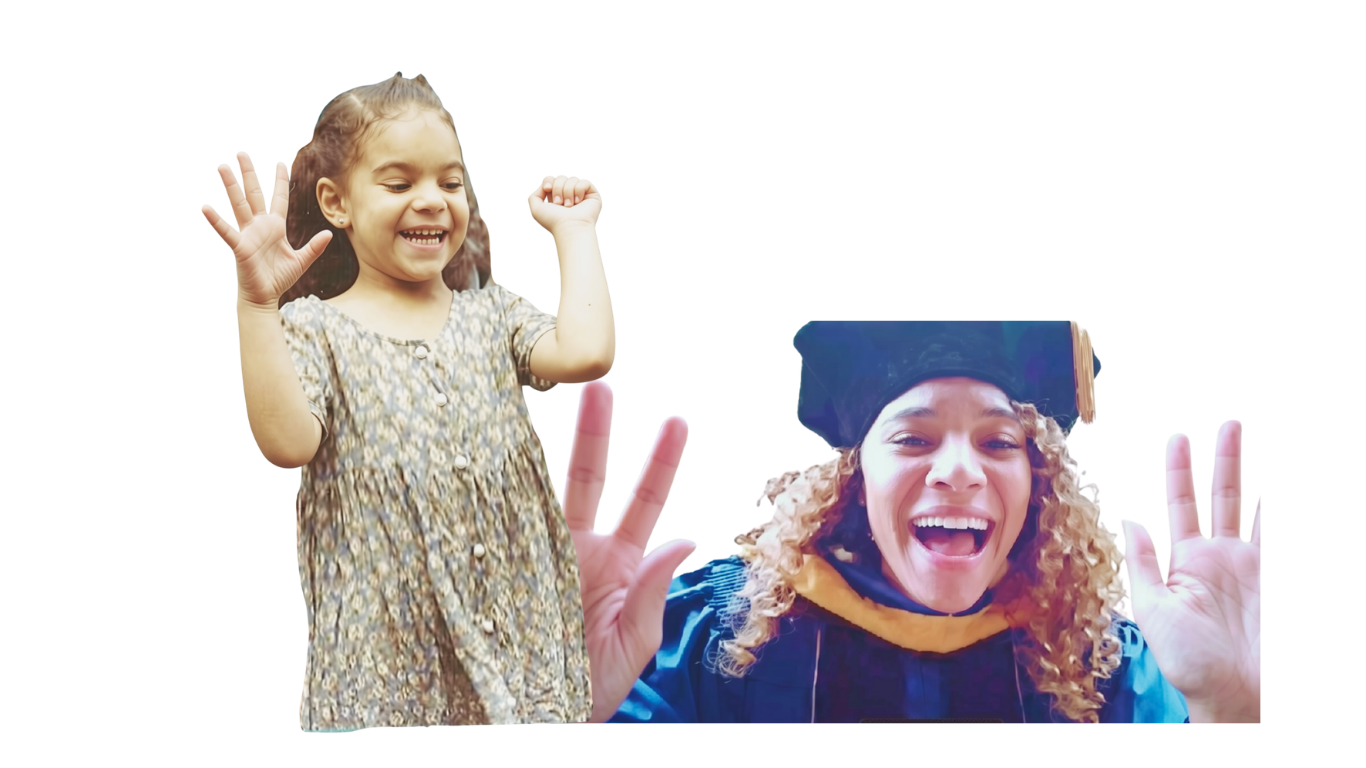
I earned my Doctorate in Clinical Psychology (PsyD) from the George Washington University’s Professional Psychology Program.
I am a psychodynamic therapist by training. Psychodynamic therapy is a form of talk therapy that helps you understand how your past experiences and unconscious thoughts shape your current behaviors, emotions, and relationships.
Therapy with me focuses on a few core concepts:
The Power of the Past: I carry an assumption that early childhood experiences – especially with family and caregivers – strongly influence who you are today.
Unconscious Patterns: You might find yourself repeating the same unhealthy relationship patterns or coping mechanisms without realizing why. I’m here to help you spot these cycles and disrupt them.
Defense Mechanisms: We explore how you secretly protect yourself from painful emotions and we find more robust, replacement strategies to help you cope.
I work relationally, as an active, authentic participant. What this looks like in practice:
Healing Happens Through Connection: This approach is based on the concept that many of our emotional wounds stem from past relationship experiences of trauma, neglect, or chronic disconnection. Because these injuries happened within relationships, they must be healed with a safe, secure relationship.
Identifying Relationship Patterns: I will help you look at how you interact with others. Together, we will explore questions like: Do you push people away when you get close? Do you sacrifice your own needs to keep the peace? How do power dynamics or your various identities affect your connections?
Real-Time Feedback: If you struggle with confrontation or if I notice you holding back during a session, I will gently bring it up. This allows you to practice setting boundaries, express anger, and be vulnerable in a safe container, before trying it outside of the therapy space.
Our Relationship is the Tool: The relationship you build with me is used as a laboratory to understand how you relate to people in the outside world.
MY STORY
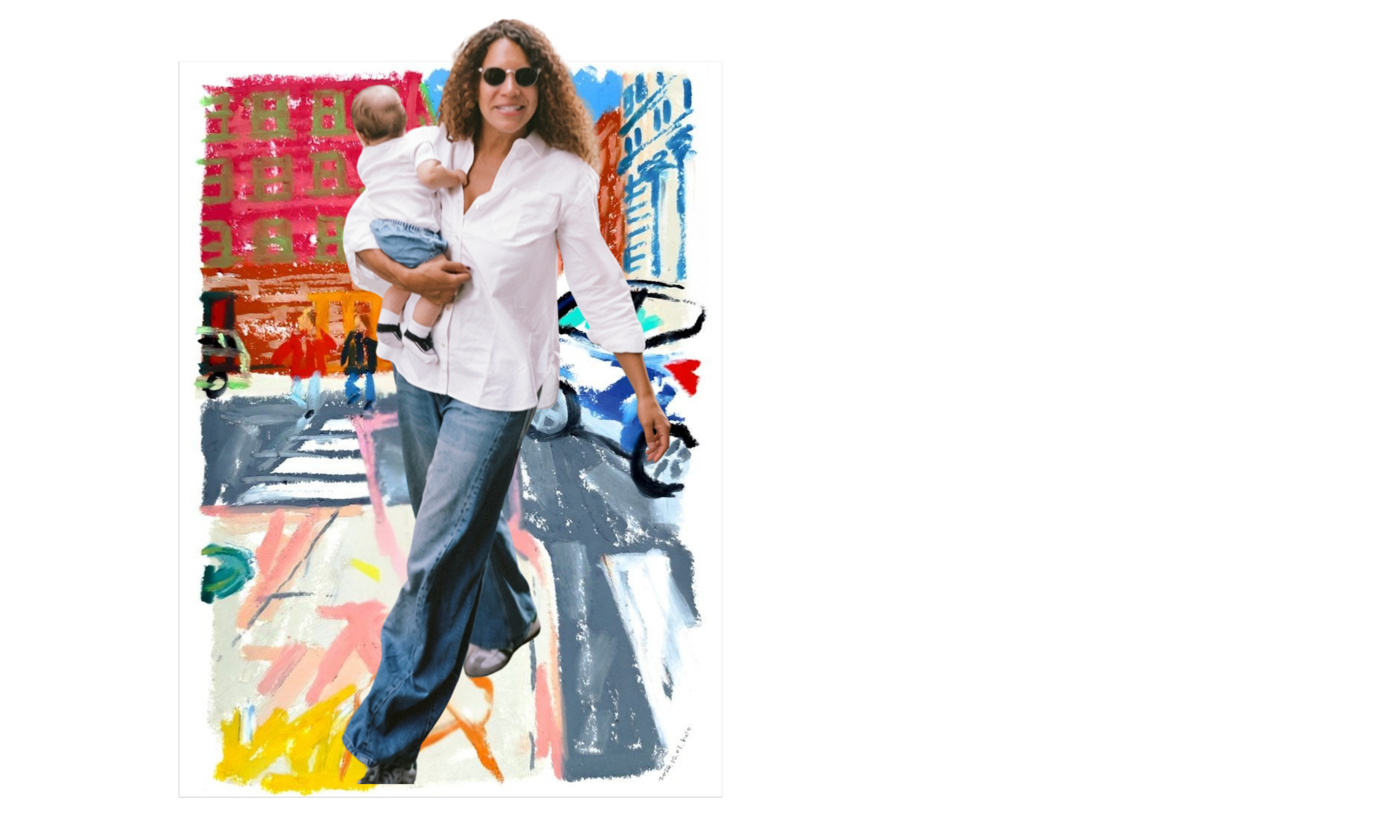
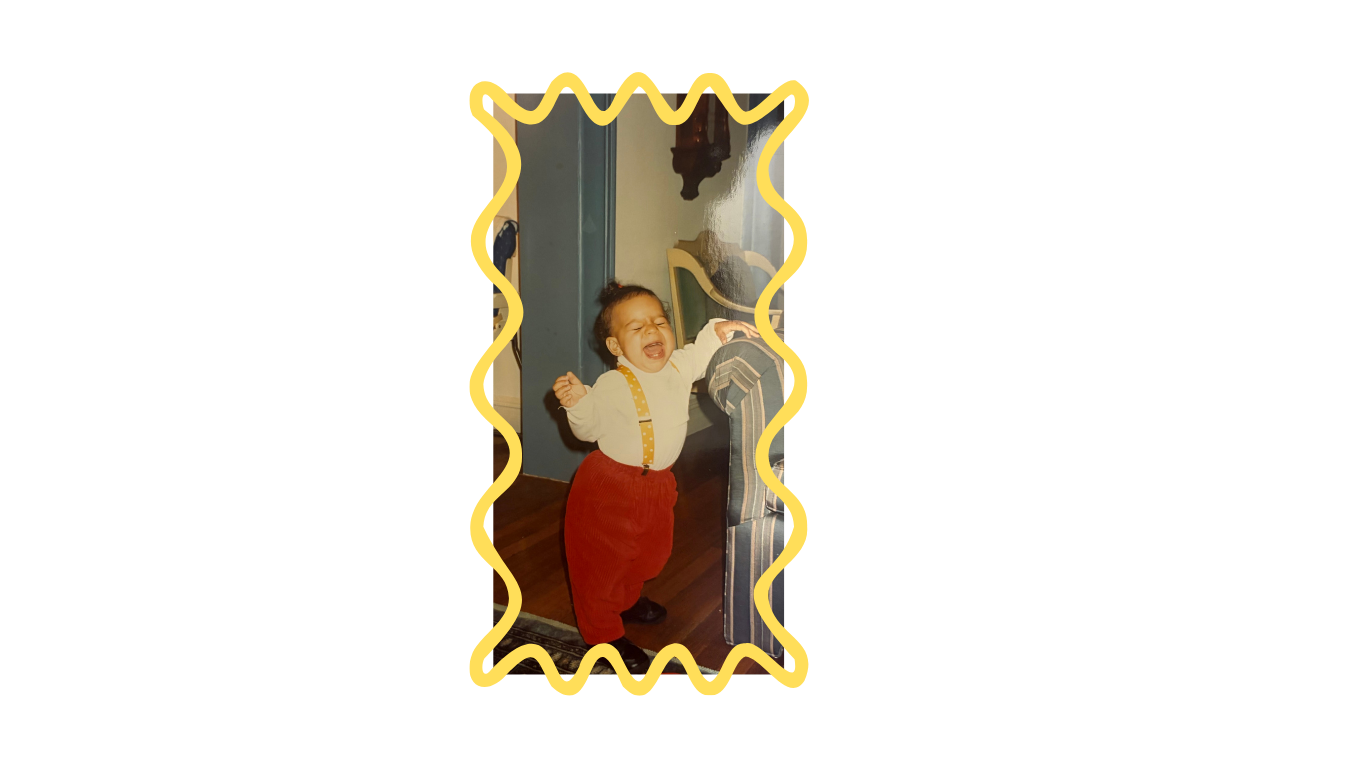
I was born in New York City in April of 1990 (an Aries at my core) to a white father, and a Black mother with West Indian roots. When I turned four, we moved from New York to Washington, D.C. Growing up in a predominantly white, affluent area of D.C., I often felt isolated and confused in my experiences of being Biracial (what I now refer to as Mixed, Black). I have always been a highly empathic being who loves connecting with people who are also built with a sensitive internal compass. Becoming a therapist felt like a natural fit for my spirit, but little did I know it was going to rock my entire self-concept and worldview.
I began my graduate doctoral program in clinical psychology at The George Washington University in the fall of 2016 – an incredibly tumultuous, divisive time in the U.S. As a Mixed, Black woman studying clinical psychology in the heart of our nation’s capital, it was impossible for me to separate the political from the personal.
In the field of clinical psychology that emphasizes one’s expansiveness and variability, when discussing race and culture-related material, we were trained to minimize, avoid, and stay in a comfortable intellectual zone. While this approach might “work” for white therapists, it wasn’t cutting it for me.
During my third year of graduate training, I was paired with a Black client who specifically requested to work with a Black therapist. As my anxieties grew around not being perceived as “Black enough,” by my client, I began to experience this therapeutic relationship as an opportunity to do my own deep identity exploration. So I became my own case study for understanding the ways exploring mixedness, in the therapeutic space, can serve as an entrypoint into the expansiveness of consciousness; restoring complexity to the very idea of identity, of the multiplicities within oneself. To be mixed is to experience the world through the lens of both, and thinking. To be mixed is to wrestle with questions of authenticity, belonging, and wholeness. I have now come to see my mixedness as my greatest gift to empathize with others. Because I firmly believe that all of us, regardless of how we identity, contain multitudes of self that are begging to be understood, accepted and seen.
On the day of my graduation from GW, I discovered I was pregnant with my first child. Since then, I’ve lived many lives and gone through many identity transformations. I left a comfortable, but ultimately misaligned life in DC, spending a year living abroad in a remote beach town in Costa Rica. I became pregnant with and ultimately gave birth to my second child in Costa Rica. And ultimately, I followed my gut, despite all odds, and relocated to Brooklyn, New York, where I currently live with my family of four. Entering the therapy profession at the same time as entering motherhood continues to be a consciousness-expanding initiation process for me. Becoming a mother has impacted me on a cellular level, and I weave the humbling experiences of parenthood into all of my therapeutic relationships.